Offices with limited natural light can absolutely host lush, vibrant greenery when plant species...
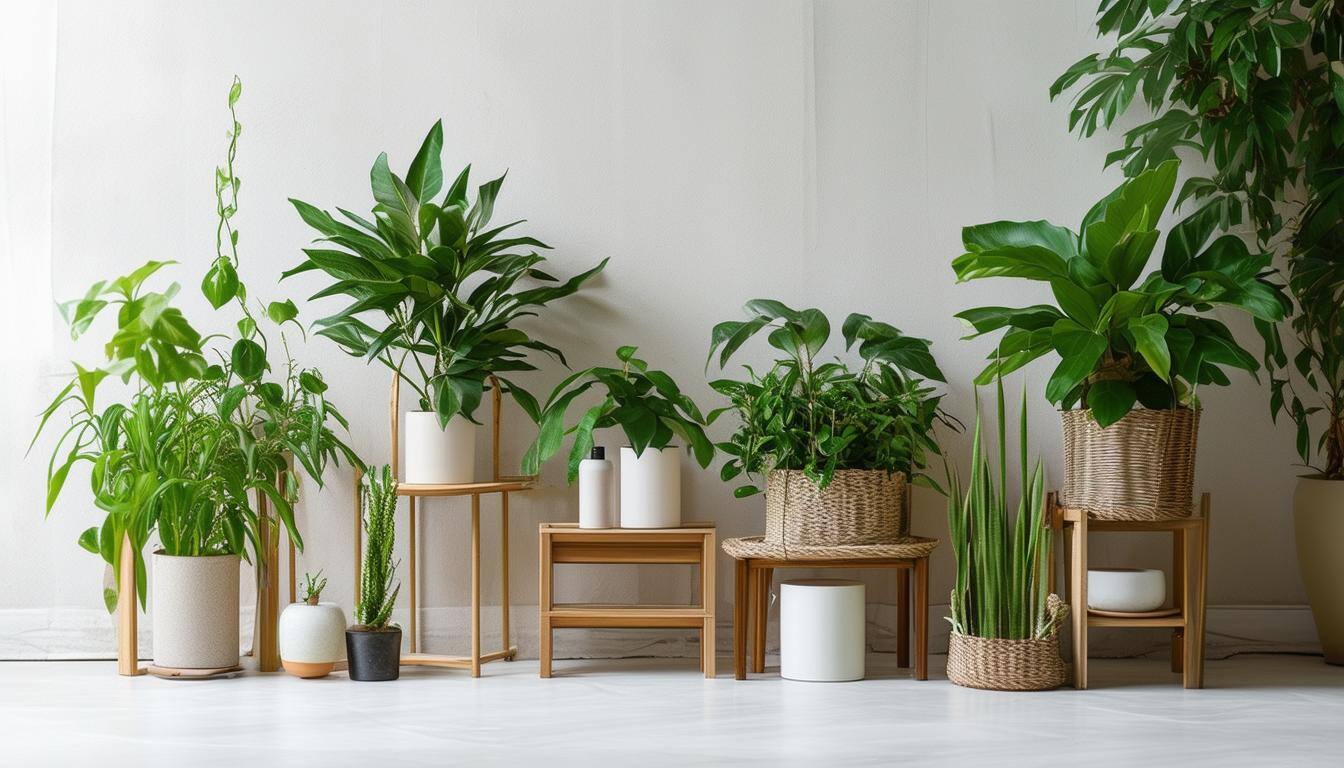
Heading out for the holidays and wondering who'll look after your houseplants? Every November and December, plant parents across the city face the same quiet concern: will my collection be okay while I'm away? Zen Plant Care helps plant owners navigate exactly this kind of moment, and a little preparation genuinely goes a long way.
The key is starting early and tailoring your approach to each plant's needs. A pothos on a bright windowsill has different requirements than a snake plant tucked in a dim hallway. This guide walks you through a practical, step-by-step timeline so you can travel with confidence and come home to happy, hydrated greenery.
Quick Guide: How to Prepare Houseplants for Holiday Travel in 7 Easy Steps
- Inspect each plant for pests and problems. Check leaves and soil for signs of insects or disease at least one week out.
- Group plants by watering needs. Separate thirsty tropicals from drought-tolerant succulents so each gets the right care.
- Move plants away from direct sunlight and heat sources. Reduce light exposure and temperature to slow moisture loss.
- Water thoroughly and let pots drain completely. Saturate the soil, then empty saucers to prevent root rot.
- Set up a self-watering method for each plant. Use wicking, pebble trays, or watering spikes matched to individual needs.
- Skip fertilizer before you leave. Feeding encourages active growth, which increases water demand while you're gone.
- Test your setup for two to three days before departure. A trial run reveals leaks, dry spots, and timing issues you can fix.
How to Get Your Houseplants Ready for Holiday Travel
1. Inspect each plant for pests and problems
Start at least seven days before your trip. Turn each pot and examine the undersides of leaves, stems, and the soil surface for aphids, spider mites, mealybugs, or fungus gnats. Catching an issue now means you can treat it before you leave and return to plants that are resting comfortably, not dealing with unwelcome guests.
Trim any yellowing or dead leaves, and remove fallen debris from the soil surface. Healthy, tidy plants handle a stretch on their own much better than stressed ones. If you spot root-bound plants, now is a good time for repotting so they have fresh soil to hold moisture.
2. Group plants by watering needs
Every plant drinks at its own pace, which is why a single watering schedule rarely works. A calathea may need consistently moist soil, while a ZZ plant prefers to dry out between waterings.
Sort your collection into groups: high-moisture plants like ferns and peace lilies in one cluster, moderate drinkers like pothos and philodendrons in another, and low-water species like succulents and snake plants on their own.
This grouping makes it easier to assign the right self-watering method to each cluster later. It also helps if you're briefing a friend or plant sitter, because they can focus their attention where it matters most.
3. Move plants away from direct sunlight and heat sources
Pull your pots back from sunny windowsills into the interior of the room. When plants receive less direct light, their metabolism slows and they use water more gradually. This buys you extra days before the soil dries out.
Also check for heat registers, radiators, and space heaters. Winter heating systems can dry out the air quickly, and a plant parked next to a vent will lose moisture faster than one across the room. Grouping plants together creates a small microclimate where their combined transpiration raises the local humidity.
4. Water thoroughly and let pots drain completely
The day before you leave, give each plant a deep, thorough watering. Pour slowly until water runs freely from the drainage holes, then let the pot sit in a sink or tub to drain for at least 15 minutes. You want fully saturated soil without standing water in the saucer, because waterlogged roots invite rot.
For plants in terracotta or unglazed clay pots, be aware that these materials are porous and dry out faster than plastic or glazed ceramic. If your trip is longer than a week, consider temporarily slipping those plants into a plastic cache pot to reduce evaporation through the pot walls.
5. Set up a self-watering method for each plant
Match the method to the plant. For a single large pot, a cotton wick threaded from a water reservoir into the soil works well. The University of Saskatchewan extension service recommends tucking one end of a quarter-inch absorbent cotton string into a filled container and the other end into the potting mix.
Water travels down the wick and keeps the soil gently moist.
For a cluster of smaller pots, a pebble tray is a straightforward option. The University of Florida's IFAS extension suggests filling a deep saucer with pebbles and water, then setting pots on top. The pebbles keep roots above the waterline while boosting humidity around the foliage. Watering spikes that screw onto a plastic bottle are another hands-off choice for individual pots.
The important thing is that no single method fits every plant. Choose based on pot size, species, and how long you'll be gone.
6. Skip fertilizer before you leave
It's tempting to give your plants a boost before you head out, but hold off. Fertilizer pushes new growth, and actively growing plants drink significantly more water. That extra demand can drain your carefully prepared moisture reserves in just a few days.
Most houseplants naturally slow their growth during the shorter, darker days of November and December. Respecting that seasonal rhythm means your plants will stay comfortable on less water while you're away. Save the feeding for when you return and can monitor the results.
7. Test your setup for two to three days before departure
This is the step that turns a good plan into a reliable one. Set everything up (wicks, trays, relocated pots, adjusted thermostats) two to three days before you actually leave. Then observe. Is the wick drawing water at the right pace? Is the pebble tray staying full? Did any pot dry out faster than you expected?
A short trial run gives you time to swap methods, add a second wick, or reposition a pot. Extension guidance from both the University of Florida and the University of Saskatchewan emphasizes testing watering setups in advance.
Adjusting a dry wick on a Tuesday is simple. Realizing it wasn't working while you're across the country? Much harder to fix from a hotel room.
What Should You Do If You're Away for More Than Two Weeks?
For trips longer than 14 days, self-watering setups alone may not be enough. The UF/IFAS extension recommends having a plant sitter visit at least once a week for extended absences, because minor issues like fungus gnats or mites can quietly build up in unmonitored plants. A weekly check keeps small problems from becoming big ones.
If you're asking a friend, neighbor, or professional plant sitter to step in, write clear, plant-specific instructions rather than a blanket "water everything Tuesday." Note which plants need more attention and which ones prefer to dry out. Include details about light preferences and any pots with wicking systems already in place.
Zen Plant Care's Vacation Plant Sitting service is designed for exactly this situation. A dedicated specialist visits on your schedule to water, inspect, and report on your plants' condition, so you get photo updates and peace of mind instead of wondering.
Do Houseplants Need Different Care in Winter Versus Summer Vacations?
Yes, and the differences matter. In winter, shorter days and lower light levels mean most houseplants slow their growth and use less water. Your biggest winter challenge is usually dry indoor air from central heating, not heat and bright sun.
During summer trips, evaporation and transpiration rates are higher, so plants dry out faster. You may need to refill pebble trays or use larger water reservoirs for wick systems. Moving plants away from windows is even more important in summer, when direct sun can overheat foliage in a closed room.
The preparation steps in this guide apply year-round, but adjust the intensity. Winter holiday travelers can often rely on simpler setups. Summer vacationers should plan for faster water loss and consider shorter intervals between sitter visits.
How Zen Plant Care Helps You Travel Without Worrying About Your Plants
Zen Plant Care was built around a simple idea: your plants should thrive whether you're home, at the office, or across the country. Our Regular Plant Sitting Service provides scheduled, recurring care with watering, pruning, health inspections, and a digital care log after every visit. You always know exactly how your plants are doing.
For holiday travel specifically, Zen Plant Care offers Vacation Plant Sitting with secure in-home access, custom care instructions for each plant, and daily photo updates through the app.
If a plant needs extra attention, your specialist flags it right away. And if you return to find a struggling plant, the Intensive Plant Rehab Service can diagnose the issue and nurse it back to health.
Your plants are in good hands. Visit Zen Plant Care to find a plan that fits your collection and your travel schedule.
FAQs About Preparing Houseplants for Holiday Travel
How far in advance should I start preparing my plants for a trip?
Begin at least seven to ten days before you leave. This gives you time to inspect for pests, treat any problems, test your self-watering setup, and make adjustments. Zen Plant Care recommends building in a two-to-three-day trial period so nothing catches you off guard at departure.
Can I just put all my plants in the bathtub with water?
A bathtub lined with old towels and a couple inches of water can work for some plants on short trips. The UF/IFAS extension describes this method for up to about a week. But not every plant wants wet feet, and succulents or cacti sitting in standing water can develop root rot quickly. Match the method to the plant.
Will self-watering globes or spikes keep my plants alive for two weeks?
Watering spikes and globes can supplement your watering plan, but results vary by pot size, soil type, and room temperature. They tend to empty faster in warm, dry rooms. Test them for a few days before relying on them for a full trip, and pair them with other methods like grouping and reduced light for the most reliable results.
Should I hire a plant sitter or use DIY methods?
For trips under a week, most healthy houseplants do fine with proper preparation and a simple self-watering method. For anything longer, a sitter adds a layer of safety. Zen Plant Care's Vacation Plant Sitting service pairs professional care with photo updates, so you can check on your plants from anywhere.
What if my plant looks droopy when I get home?
A little droop after a week or two is normal and usually means the plant needs a good drink, not a crisis. Water it thoroughly, let it drain, and give it a day or two to perk up.
If the decline is more serious, Zen Plant Care's Intensive Plant Rehab Service can diagnose the issue and build a recovery plan tailored to that specific plant.